

The quiet hum of your home office, the uninterrupted focus on a complex task, the freedom of setting your own schedule – these are the hallmarks of working in isolation. Yet, beneath this seemingly idyllic surface, a stealthy saboteur often lurks: imposter syndrome. This insidious feeling, a persistent belief that one's success is not deserved or has been achieved accidentally, is amplified when working remotely. Without the daily affirmation of colleagues, the casual praise from a supervisor, or the visible markers of shared progress, it’s easy to feel like you aren't doing enough because no one truly sees your effort. This article provides a comprehensive guide to overcoming "imposter syndrome" when working in isolation, offering practical strategies and a professional perspective on reclaiming your confidence and recognizing your true value.
Key Takeaways
- Shift Focus to "Done" Lists: Actively track completed tasks to visualize your daily and weekly output, counteracting the feeling of unproductivity.
- Proactive Communication is Crucial: Implement regular, clear, and concise updates to your boss and team, showcasing your contributions and seeking feedback.
- Acknowledge and Celebrate Milestones: Create rituals for recognizing even small accomplishments to build self-worth and combat feelings of inadequacy.
- Build a Remote Support Network: Engage with peers and mentors virtually to share experiences, gain perspective, and receive external validation.
- Set Clear Boundaries and Expectations: Define your work hours and project scopes to prevent burnout and a perpetual feeling of "not enough."
Tracking "Done" Lists vs. "To-Do" Lists
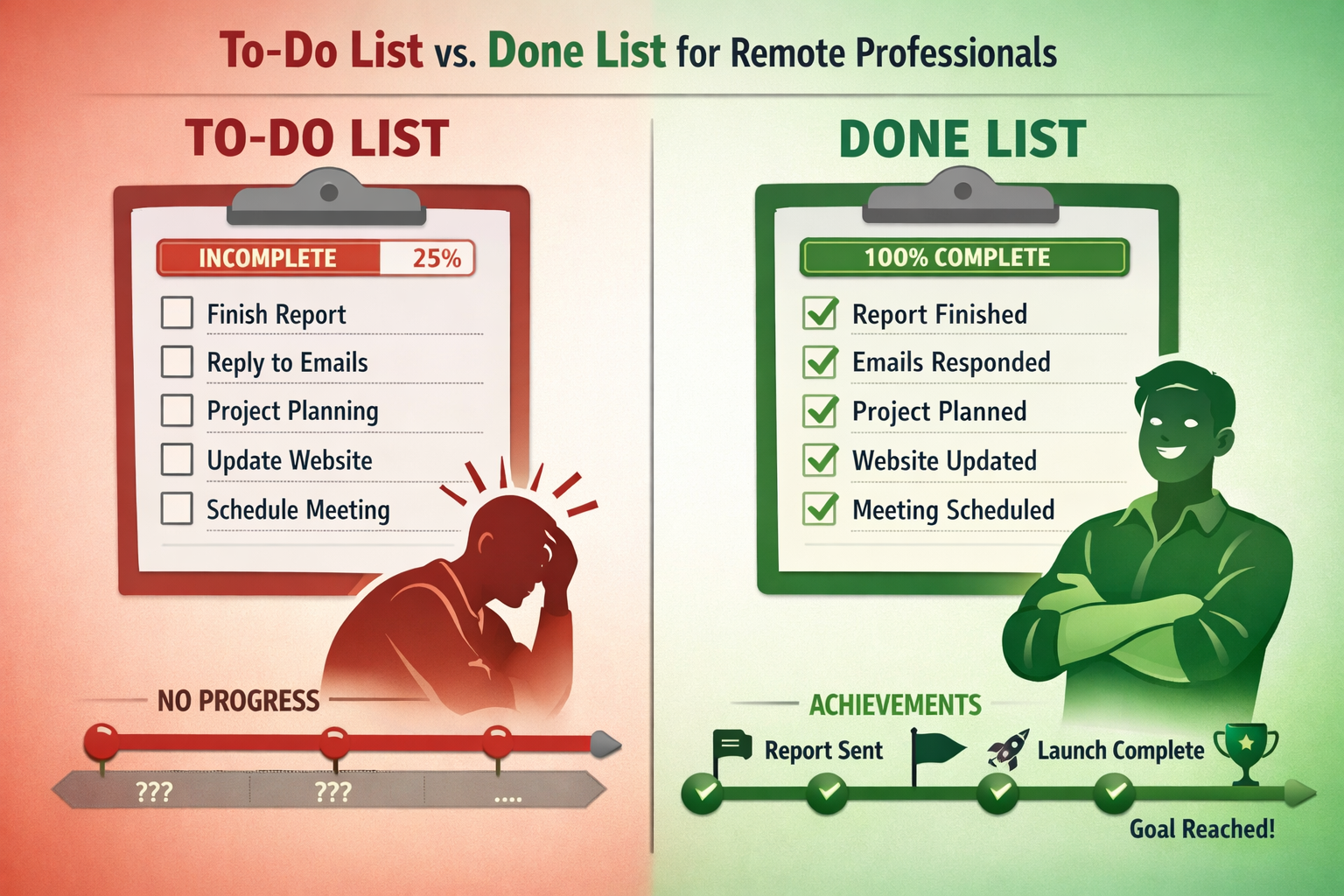
One of the most powerful tools for overcoming "imposter syndrome" when working in isolation is a simple shift in how you track your work. Many professionals are conditioned to focus intensely on "to-do" lists. While these are essential for planning and prioritization, they can become a source of anxiety when working solo. The endless scroll of unchecked boxes, especially on a challenging day, can reinforce the feeling that you're constantly behind or not productive enough.
Consider the psychological impact: a "to-do" list often represents aspiration, what should be done, or what needs to be tackled. When you're working in isolation, with fewer external cues or direct oversight, the internal critic can easily interpret an unfinished "to-do" list as a personal failing.
The solution lies in embracing the "done" list. This isn't just about moving items from "to-do" to "done"; it's about actively, consciously, and even celebratory documenting what you have accomplished.
Here's how to implement an effective "done" list strategy:
- Daily Review and Record: At the end of each workday, take 5-10 minutes to list everything you completed. This could be major project milestones, small administrative tasks, or even insightful research. The key is to be comprehensive.
- Visible Progress Tracking: Use a digital tool (like Trello, Asana, or even a simple spreadsheet) or a physical notebook dedicated solely to your "done" items. Seeing a growing list of accomplishments provides tangible proof of your contributions.
- Quantify and Qualify: Where possible, add a brief note about the impact or significance of each completed task. Did you save time? Improve a process? Contribute to a larger goal? This reinforces the value of your work.
- Embrace the Small Wins: Don't just list major deliverables. Did you finally clear your inbox? Successfully debug a tricky piece of code? Organize your files? These small, often overlooked tasks add up and contribute to your overall productivity and effectiveness.
- Weekly and Monthly Summaries: Periodically review your "done" lists. This allows you to see your progress over a longer period, recognizing patterns of productivity and identifying areas where you consistently deliver.
📝 Pro Tip: Think of your "done" list as a personal achievement log. It's not just a record; it's a testament to your hard work and capabilities.
This strategy is particularly potent for those who feel unseen. While your boss might not see every item on your "done" list, you will. This internal validation is critical for building self-efficacy and combating the whispers of imposter syndrome. It provides concrete evidence that you are indeed performing, contributing, and excelling, even when your work is performed behind a screen in solitude. For those interested in professional development that can further boost confidence and career prospects, consider exploring opportunities like MBA scholarships in the U.S. or even fully funded Masters scholarships in Canada for 2026 intake.
The Importance of Over-Communicating with Your Boss
When working in isolation, the adage "out of sight, out of mind" can be a genuine concern, particularly for those grappling with imposter syndrome. Without casual hallway conversations or impromptu desk-side check-ins, your contributions might not be as readily apparent to your supervisor. This is why over-communicating with your boss isn't just a good practice; it's a vital strategy for overcoming "imposter syndrome" when working in isolation.
Over-communication doesn't mean sending incessant emails or demanding constant attention. Instead, it means being proactive, clear, and strategic in sharing your progress, challenges, and insights. It builds trust, ensures alignment, and most importantly, makes your efforts visible.
Here's how to master the art of over-communication:
-
Establish a Regular Reporting Cadence:
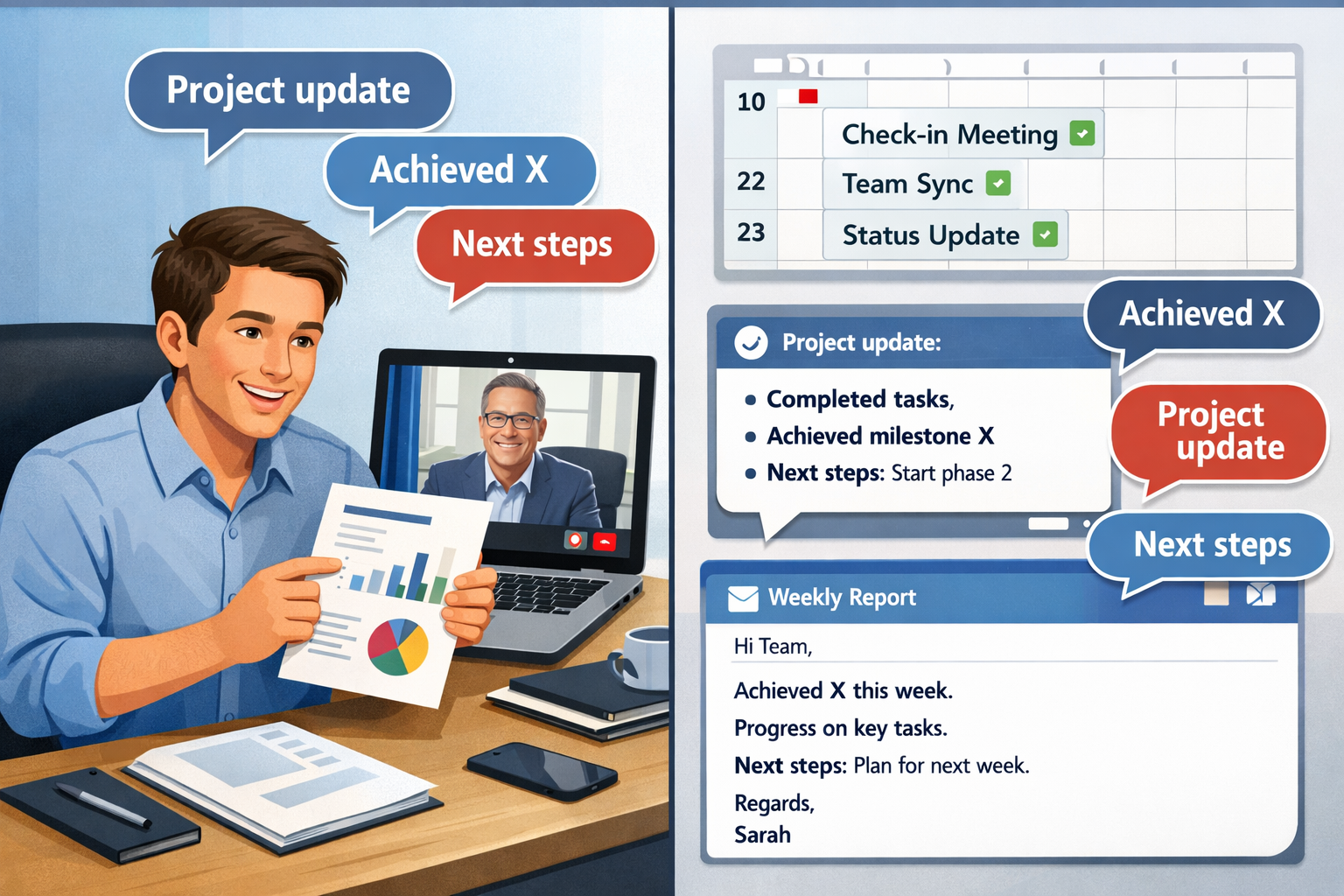
- Daily Quick Updates: A brief, end-of-day email or chat message summarizing key accomplishments and plans for the next day. This takes minutes but provides constant reassurance of your activity.
- Weekly Summaries: A more detailed email outlining major achievements, completed projects, upcoming priorities, and any potential blockers. Include metrics or quantifiable results where possible.
- Scheduled Check-ins: Proactively schedule weekly or bi-weekly video calls with your boss. This allows for synchronous discussion, feedback, and the opportunity to elaborate on your progress.
-
Be Specific and Quantifiable: Instead of saying, "I worked on the report," say, "I completed the Q3 marketing report, incorporating all client feedback and delivering it ahead of schedule. The preliminary data shows a 15% increase in engagement for campaigns X and Y." Specificity demonstrates impact.
-
Proactively Address Challenges: Don't wait for problems to escalate. If you encounter a roadblock or need support, communicate it promptly. This shows initiative and problem-solving skills, rather than leaving your boss to discover issues later. Frame challenges with potential solutions or questions for guidance.
-
Share Insights and Learnings: Beyond task completion, share valuable insights you've gained or new skills you've developed. For example, "During the client analysis, I discovered a new demographic trend that could inform our Q4 strategy." This showcases your strategic thinking and growth.
-
Utilize Collaboration Tools Effectively: Many organizations use platforms like Slack, Teams, or Asana. Use these to post updates in relevant channels, share documents, and engage in project discussions. This ensures your contributions are part of the shared digital workspace.
-
Request Feedback: Regularly ask for feedback on your work and communication style. This shows your commitment to improvement and opens a dialogue that can address any lingering self-doubt. A simple, "Is there anything else you'd like me to report on, or any adjustments I can make to my updates?" can be very effective.
By consistently providing visibility into your work, you not only keep your boss informed but also create a strong narrative of your competence and commitment. This external validation, even if indirect, is crucial for dismantling the negative self-talk associated with imposter syndrome. It proves, both to yourself and to others, that your success is earned. For international workers looking to establish themselves and build a strong professional reputation, understanding visa sponsorship opportunities, such as caregiver jobs with visa sponsorship in the UK, or welding jobs with visa sponsorship in New Zealand, can be a part of their career journey in 2026.
Celebrating Small Wins Alone
One of the most isolating aspects of remote work, especially when grappling with imposter syndrome, is the absence of shared celebrations. In an office, a project completion might be marked by a team lunch, a round of applause, or even just a colleague’s verbal "great job!" When you’re working in isolation, these moments of collective recognition are often missing. This lack can exacerbate feelings of unworthiness, making you question if your accomplishments are truly significant, thereby hindering the process of overcoming "imposter syndrome" when working in isolation.
The solution isn't to wait for external validation, but to create your own system for celebrating small wins alone. This isn't about arrogance; it's about acknowledging your effort, building self-compassion, and solidifying your sense of accomplishment. These personal rituals serve as powerful counter-narratives to the inner voice that insists you're not good enough.
Here’s how to cultivate a practice of celebrating your solo successes:
-
Acknowledge the Effort, Not Just the Outcome: Sometimes, simply pushing through a difficult task or maintaining focus on a tedious project is a win in itself. Recognize the discipline and perseverance it took.
-
Create a "Done" Ritual: After completing a significant task or reaching a milestone, do something small to mark it. This could be:
- A short break: Step away from your desk for 10-15 minutes, stretch, walk around the block, or make a cup of your favorite tea. ☕
- A mindful moment: Take a deep breath, close your eyes, and consciously acknowledge what you've achieved.
- A treat: Indulge in a small, healthy snack, listen to a favorite song, or watch a short, funny video.
- Physical Manifestation: Check off an item on your physical "done" list with a flourish, or add a sticker to a progress chart.
-
Document Your Achievements Visually: Beyond a written "done" list, consider creating a "wins" jar or a digital "celebration wall."
- Wins Jar: Write down each accomplishment on a small slip of paper and put it in a jar. When imposter syndrome strikes, pull out a few slips to remind yourself of your capabilities.
- Digital Wall: Use a simple online whiteboard tool (like Miro or Jamboard) to create a visual collage of your successes, screenshots of positive feedback, or project completion images.
-
Share with a Trusted Confidante (Optional): While the emphasis is on solo celebration, having one trusted person (a mentor, friend, or family member) with whom you can share your wins can also be beneficial. Their external validation, even infrequent, can offer an additional boost. For those considering career moves, having such a network is invaluable, whether it's for discussing seasonal construction jobs in USA with H-2B visa sponsorship or urgent construction jobs in Australia with free visa sponsorship.
-
Reflect on the Impact: Take a moment to consider why your accomplishment matters. How does it contribute to the team, the project, or the company's goals? Understanding the bigger picture solidifies your value.
By actively integrating these celebratory practices into your remote work routine, you create a positive feedback loop that directly challenges the negative thought patterns of imposter syndrome. You train your brain to recognize and appreciate your own efforts and successes, building resilience and confidence from within. This internal wellspring of self-worth is indispensable when the external world offers fewer opportunities for recognition.
Conclusion: Visibility Comes from Output, Not Presence
The journey of overcoming "imposter syndrome" when working in isolation is a profound exercise in self-awareness, strategic action, and self-compassion. The core realization to embrace is that your professional visibility and value are ultimately derived from your output and the impact you create, not merely your physical presence in an office. When working remotely, the traditional cues of validation are often absent, making it imperative to proactively build your own mechanisms for tracking progress, communicating effectively, and celebrating successes.
By diligently tracking your "done" lists, you create an undeniable record of your daily and weekly contributions, providing concrete evidence to counter the internal critic that whispers doubts. This shift from an aspiration-focused "to-do" mindset to an achievement-focused "done" mindset is foundational for self-validation.
Furthermore, strategic and consistent over-communication with your supervisor and team ensures that your efforts, insights, and achievements are visible and understood. This proactive approach not only combats the "out of sight, out of mind" phenomenon but also strengthens trust and reinforces your indispensable role within the organization.
Finally, cultivating the practice of celebrating small wins alone is crucial for nurturing your self-worth. These personal rituals, no matter how minor, are powerful antidotes to the lack of external applause, fostering an internal wellspring of confidence and acknowledging the dedication required to excel in isolation.
In 2026, as remote and hybrid work models continue to evolve, mastering these strategies is not just about personal well-being; it's about professional resilience and growth. Your ability to self-manage, self-motivate, and self-validate in a solitary environment is a highly valuable skill. Embrace the power of your output, communicate your impact, and celebrate your journey. Your success is real, your contributions are vital, and by taking these actionable steps, you will confidently shed the burden of imposter syndrome, recognizing your true capabilities and deserved achievements.
Actionable Next Steps:
- Start a "Done" List Today: Dedicate 10 minutes at the end of your workday to meticulously list everything you accomplished. Make it a daily habit.
- Schedule Proactive Updates: Block out time in your calendar for a weekly summary email to your boss and consider setting a recurring 15-minute video call.
- Implement a "Win" Ritual: Choose one small way to acknowledge a significant task completion this week – whether it's a mindful break, a treat, or a note in your "wins" jar.
- Seek a Remote Mentor or Peer Group: Connect with other remote professionals to share experiences and strategies for overcoming these common challenges. Consider platforms for professional networking as a way to engage with peers and mentors, even when exploring new horizons like the Canada Job Seeker Visa in 2026.
SEO Meta Title: Overcoming Imposter Syndrome in Remote Work | 2026 Guide
SEO Meta Description: Master strategies for overcoming "imposter syndrome" when working in isolation in 2026. Track wins, over-communicate, and boost confidence.