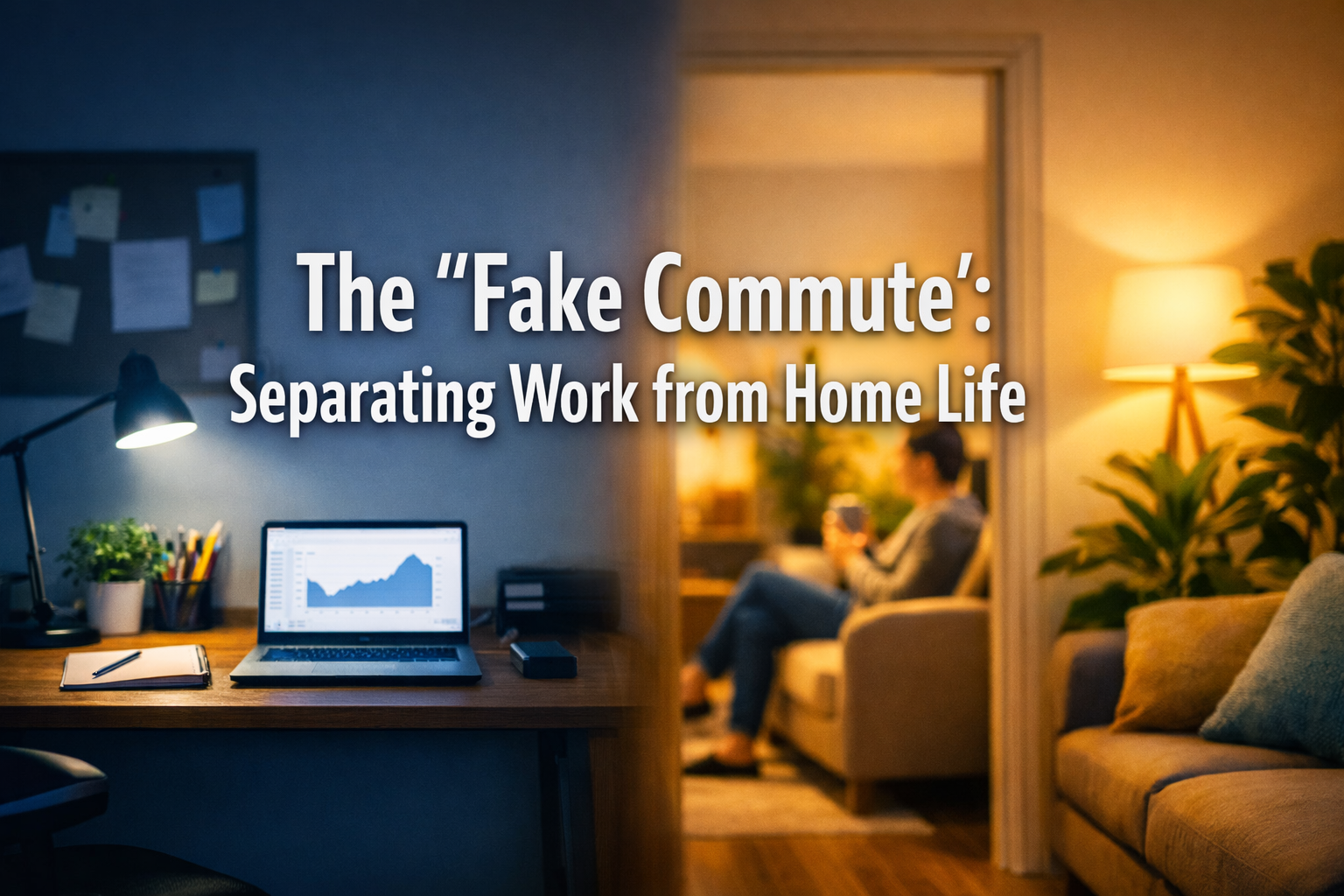

The line between work and home life has blurred dramatically for many professionals, especially since the widespread adoption of remote work models. What was once a distinct geographical separation, marked by the daily journey to and from an office, has for countless individuals collapsed into the same four walls. This lack of clear boundaries often leads to increased stress, burnout, and a persistent feeling of "always being on." This article delves into "The "Fake Commute": Separating Work from Home Life" – a powerful strategy to re-establish those crucial mental and emotional divisions, even when your living room is your office.
The problem arises when the commute, once seen as a tedious necessity, is suddenly gone. Without that physical transition, many struggle to mentally switch gears. The morning coffee is brewed and consumed at the desk, work begins immediately, and evenings can easily blend into answering just one more email. This erosion of boundaries impacts productivity, well-being, and relationships. Implementing a "fake commute" is about intentionally creating rituals that mimic the psychological and practical benefits of a traditional commute, helping professionals to proactively manage their mental states and clearly delineate their professional and personal hours.
Key Takeaways
- Re-establish Boundaries: The "fake commute" is a deliberate strategy to create mental and emotional separation between work and home when working remotely.
- Boost Productivity: Structured start and end-of-day rituals can improve focus during work hours and promote genuine relaxation afterwards.
- Improve Well-being: By segmenting the day, individuals can reduce burnout, manage stress, and protect their personal time.
- Enhance Work-Life Balance: Simple acts like changing clothes or taking a walk signal to the brain that it's time to switch roles.
- Customizable Rituals: The "fake commute" is adaptable; choose activities that resonate personally and fit into your daily routine.
The Concept: A 15-Minute Walk Before Logging On
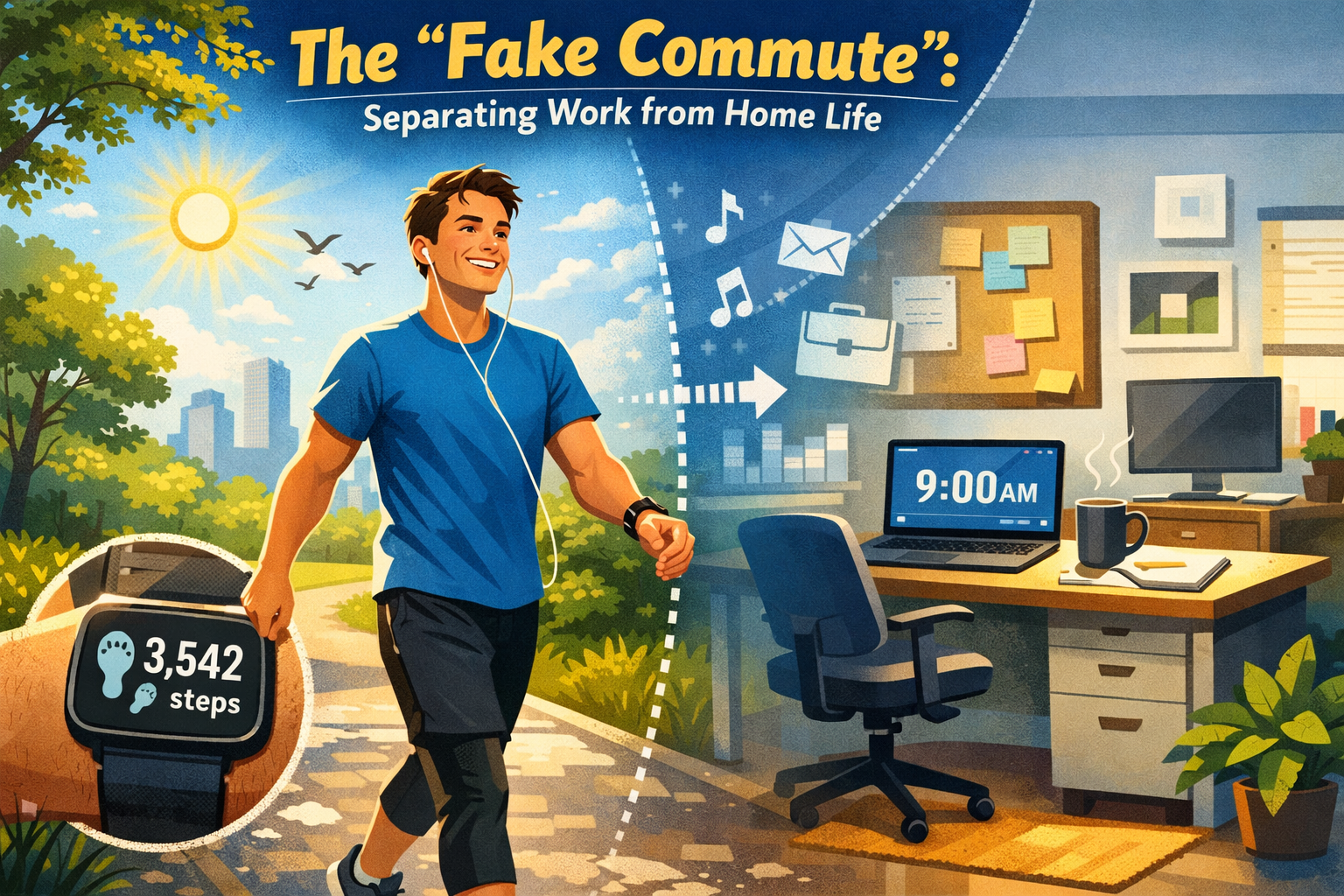
Imagine starting your workday feeling refreshed, focused, and ready to tackle tasks, much like you would after a brisk walk to the office or a period of quiet reflection on public transport. The core of "The "Fake Commute": Separating Work from Home Life" often involves an intentional activity that serves as a mental and physical bridge between your personal morning routine and the start of your professional duties. A 15-minute walk before logging on is an excellent example of this.
This isn't just about getting steps in, though the physical activity is a bonus. The true power lies in the psychological shift it facilitates. During this walk, your brain processes the transition. You can use this time to:
- Mentally Prepare: Think about your priorities for the day, visualize successes, or simply clear your head.
- Engage Your Senses: Step outside, feel the fresh air, hear the sounds of your neighborhood. This sensory input signals a change of environment, even if you’re just returning to your home office.
- Create a Buffer: It provides a necessary buffer between waking up and diving straight into emails. This prevents the feeling of constantly being tethered to work from the moment your eyes open.
This intentional separation helps to define the beginning of your "workday brain." It signals to your subconscious that a new phase is starting, one that requires focus and professional engagement. This practice isn't limited to walks; it could be 15 minutes of meditation, a short exercise routine, reading a chapter of a book, or even listening to a specific podcast that you associate with your workday transition. The key is consistency and intentionality. Many professionals find that integrating such a ritual into their mornings significantly improves their ability to concentrate and be productive. For those considering new career paths that involve significant remote work, understanding these self-management techniques can be incredibly valuable. For example, exploring options like caregiver jobs in Canada with visa sponsorship or welding jobs with visa sponsorship in New Zealand, where adaptability is key, these concepts become even more relevant.
Benefits of a Morning "Fake Commute"
| Benefit | Description |
|---|---|
| Improved Focus | Signals to the brain that it's time to shift into work mode, enhancing concentration. |
| Reduced Stress | Creates a mental break from personal life before starting work, lowering anxiety levels. |
| Increased Energy | Physical activity or mindfulness can boost alertness and prepare the body and mind for the day. |
| Clearer Boundaries | Establishes a distinct start to the workday, preventing bleed-over from personal morning routines. |
| Better Mood | Starting the day with a positive, intentional activity can set a more optimistic tone for work. |
Consider this: your brain is a pattern-seeking machine. When you consistently perform an action before work, your brain begins to associate that action with "work mode." This psychological conditioning is a powerful tool in managing your mental state and enhancing productivity.
"The 'fake commute' isn't just a trend; it's a strategic psychological tool for remote workers to maintain mental health and productivity." – Expert in Organizational Psychology, 2026.
Changing Clothes: Why Pyjamas Kill Productivity
One of the most tempting aspects of working from home is the freedom to dress however you please. For many, this means staying in pyjamas or comfortable loungewear all day. While comfort is appealing, consistently working in sleepwear can be detrimental to your productivity and mental state. This is where another simple, yet powerful, aspect of "The "Fake Commute": Separating Work from Home Life" comes into play: changing into work-appropriate attire.
Why does this matter? It's all about psychological signaling. When you wear clothes typically associated with sleep or relaxation, your brain receives cues that reinforce those states. Conversely, dressing in clothes you would wear to an office or for a professional meeting signals a shift in purpose. It's not about being uncomfortable; it's about making a deliberate choice that primes your mind for work.
Think about it:
- Mental Switch: Changing out of pyjamas acts as a mini-ritual, a demarcation point that separates "sleepy you" from "working you."
- Professional Identity: Dressing professionally, even if it's just a smart casual outfit, helps you embody a professional mindset. It encourages you to sit up straighter, engage more actively, and approach tasks with greater seriousness.
- Readiness for Video Calls: You're always ready for an impromptu video call without scrambling to find a presentable top. This reduces stress and maintains a professional image.
It's not necessary to wear a full suit, especially if your traditional office environment was casual. The goal is to choose an outfit that you wouldn't typically wear for lounging or sleeping. This could be jeans and a clean shirt, or a comfortable dress. The act of changing creates a clear boundary, helping you mentally clock in. This simple habit contributes significantly to the overall effectiveness of "The "Fake Commute": Separating Work from Home Life."
This principle extends beyond clothing. Maintaining a dedicated workspace, even a small corner, rather than working from your bed or couch, also reinforces these boundaries. It's about creating physical and visual cues that help your brain distinguish between different activities and states of mind. Just as structured programs exist for those seeking career changes or opportunities abroad, like 26200 care home jobs in UK with sponsorship or 60000 hotel jobs with visa sponsorship in the UAE, establishing internal structures for remote work is crucial for long-term success and well-being.
The "Shutdown Ritual" to End the Day
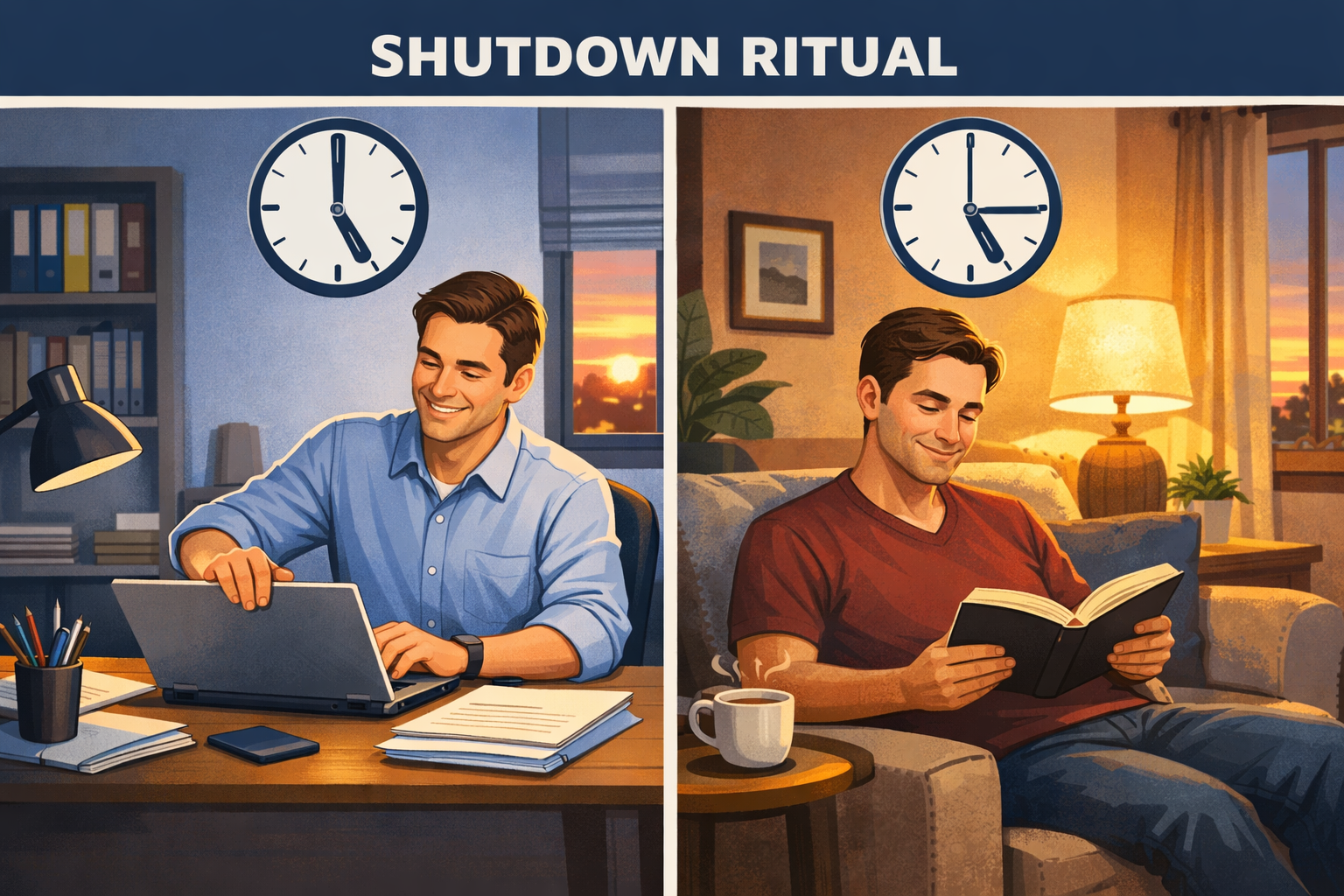
Just as important as starting your workday with intention is ending it with a clear and definitive "shutdown ritual." This is the inverse of the morning "fake commute" and is equally crucial for "The "Fake Commute": Separating Work from Home Life." Without a proper shutdown, work can linger, bleeding into personal time and making it difficult to relax and truly disengage. This lingering feeling is a common contributor to burnout among remote workers.
A shutdown ritual serves several vital purposes:
- Mental Closure: It helps your brain process that the workday is officially over, allowing you to stop thinking about tasks and projects.
- Boundary Enforcement: It physically and mentally separates your work life from your home life.
- Stress Reduction: By clearly ending work, you reduce the likelihood of intrusive work thoughts during personal time, promoting relaxation.
Your shutdown ritual doesn't need to be elaborate, but it should be consistent. Here are some effective elements to consider:
- Tidy Your Workspace: Spending 5-10 minutes organizing your desk, closing all work-related tabs, and putting away documents sends a powerful signal that work is concluded. A clean workspace for tomorrow's start is an added bonus!
- Create a "Next Day" To-Do List: Before you log off, jot down the top 3-5 priorities for tomorrow. This clears your mind of lingering tasks and gives you a clear starting point for the next morning, preventing you from worrying about forgotten items.
- Log Off Completely: Don't just close your laptop. Log out of work accounts, turn off notifications, and physically put your work devices away if possible.
- A "Reverse Commute": Just as you started your day with a fake commute, consider one for the end. This could be:
- A short walk around the block.
- Listening to a specific piece of music that signals relaxation.
- Changing into comfortable home clothes (the reverse of your morning ritual).
- Engaging in a quick, enjoyable hobby.
By consistently performing a shutdown ritual, you train your brain to transition out of work mode effectively. This protects your evenings and weekends, allowing for genuine rest and rejuvenation. This is particularly important for individuals managing demanding schedules or considering opportunities that require careful work-life balance, such as those exploring FIFO mining jobs in Western Australia or looking into Canada job seeker visa in 2026. Even though these may involve physical commutes, the underlying principle of conscious transitions remains vital for mental well-being.
Elements of an Effective Shutdown Ritual
| Ritual Element | Action & Purpose |
|---|---|
| Workspace Tidy-Up | Physically organize your desk, close applications, and store work items. Signals completion. |
| Tomorrow's Plan | Quickly outline key tasks for the next day. Offloads mental burden and ensures a smooth start tomorrow. |
| Digital Disconnection | Log out of work accounts, turn off notifications, put away devices. Cuts digital ties to work. |
| Transition Activity | Engage in a short, non-work activity like a walk, reading, or stretching. A mental "off-ramp." |
| Change of Attire | If you dressed for work, change into comfortable home clothes. Reinforces the shift to personal time. |
The "shutdown ritual" isn't about rushing to leave work behind; it's about consciously and deliberately concluding it. This mindfulness allows you to step away feeling accomplished and ready for personal time, rather than feeling like you're still carrying the weight of your workday. This intentional separation is a cornerstone of effective remote work and crucial for mental health in 2026 and beyond.
Conclusion: Psychological Boundaries Are As Important As Physical Ones
The world of remote work, while offering unparalleled flexibility, also presents unique challenges to our well-being and productivity. The disappearance of the traditional commute, once a mundane but effective separator, has highlighted the critical need for intentional psychological boundaries. "The "Fake Commute": Separating Work from Home Life" isn't merely a trend; it's a fundamental strategy for thriving in an environment where your home is also your office.
By consciously implementing rituals – whether it's a brisk walk before logging on, changing into specific work attire, or diligently executing a shutdown routine – professionals can recreate the mental and emotional shifts that the physical commute once provided. These actions signal to our brains when to engage, when to focus, and, crucially, when to disengage and relax.
Protecting your personal time and mental space is not a luxury; it's a necessity for sustained productivity, reduced burnout, and overall well-being. In 2026, as remote and hybrid work models continue to evolve, mastering these self-management techniques will be more important than ever.
Actionable Next Steps:
- Identify Your Triggers: What helps you feel focused for work? What helps you relax afterward?
- Experiment with Morning Rituals: Try a 15-minute walk, meditation, or quiet reading before work for a week. See how it impacts your initial focus.
- Implement a Dress Code (for yourself): Choose specific clothes you'll wear only for work.
- Design a Shutdown Routine: Create a clear, consistent set of actions to mark the end of your workday. This could include tidying your desk, planning for tomorrow, and a "reverse commute" activity.
- Be Consistent: The power of these rituals lies in their regular practice. Stick with them, even on days you don't feel like it.
- Review and Adjust: After a few weeks, evaluate what's working and what isn't. Adjust your rituals to better suit your needs and lifestyle.
Remember, the goal is not to replicate a traditional commute perfectly but to capture its psychological benefits. By actively choosing to separate your work from home life through intentional "fake commutes," you are investing in your productivity, your mental health, and ultimately, a more balanced and fulfilling life.